Senin, 28 Januari 2013

Great Traditional Animal Fats

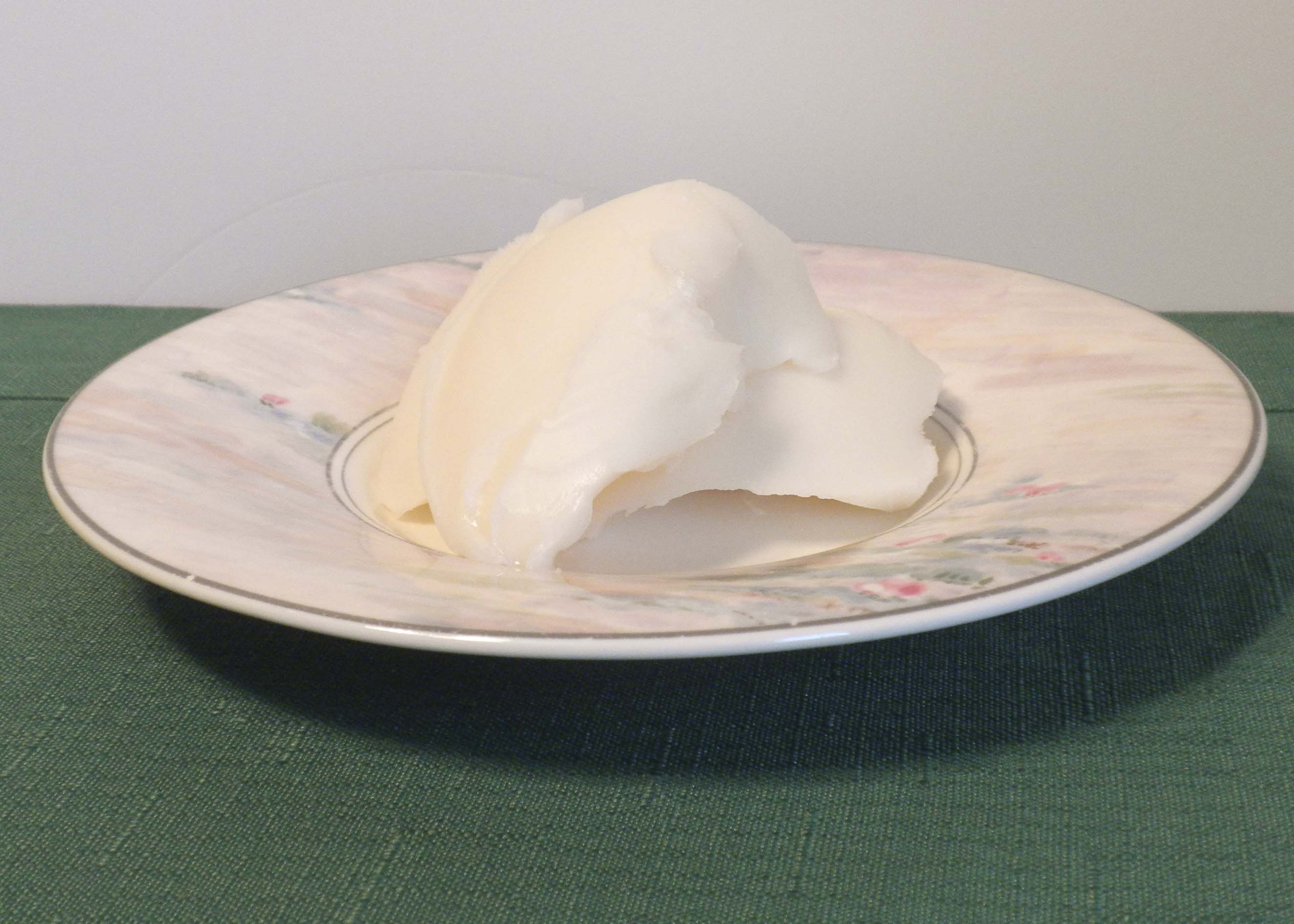
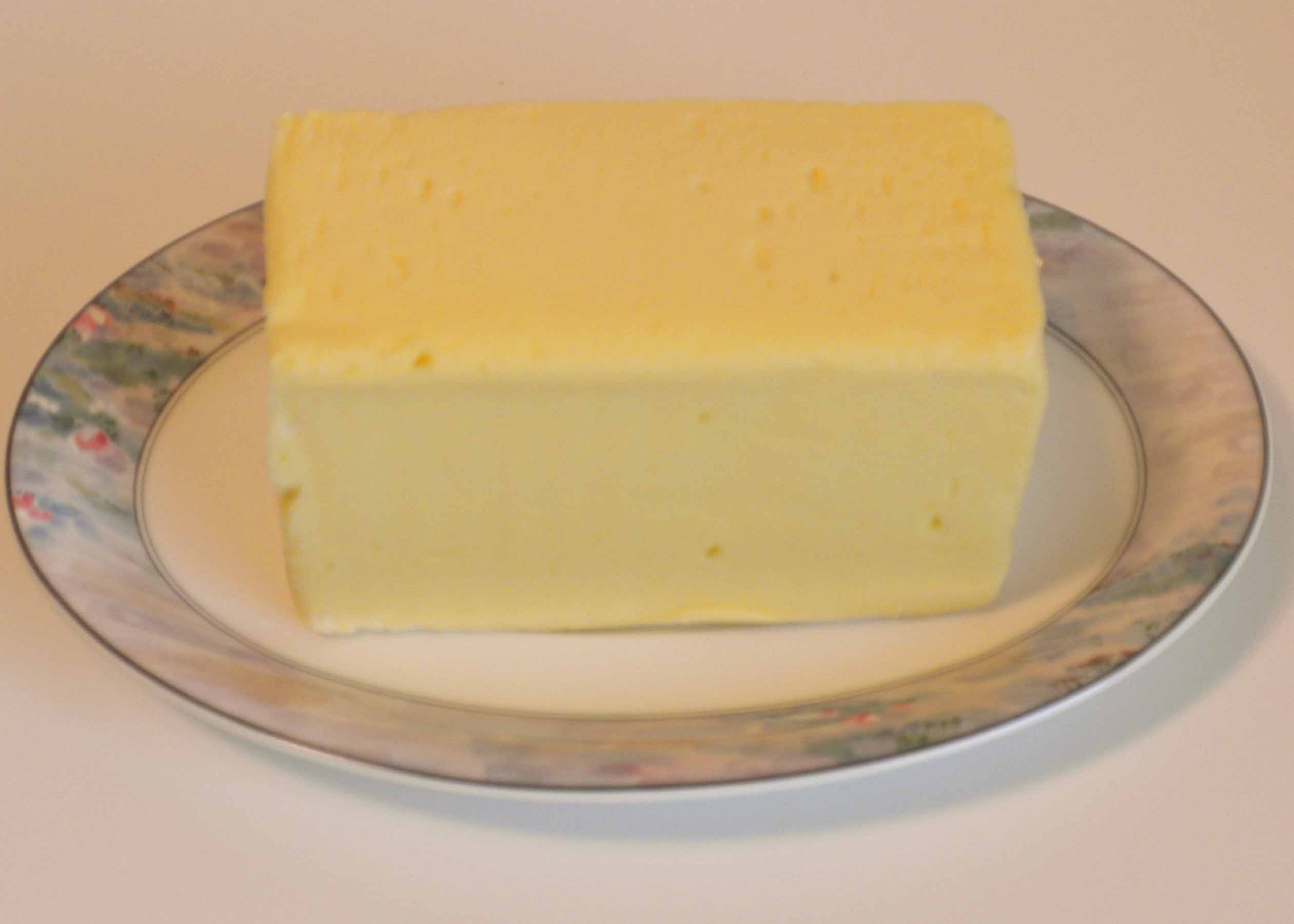
Natural, unhydrogenated, pastured pork lard.

Real pork lard, one of the most tradtional fats of all.

Americans have been told that eating saturated animal fats will clog our arteries and kill us. We are told that we need to eat only fats made from vegetable oil, modern oils, such as corn oil, soy oil, canola oil, safflower oil, and other oils that could not even be made before the twentieth century.

The truth of the matter is that fat from healthy animals eating their natural diet is very good for us, providing vital nutrients in the right proportion, and supporting the natural functions of our bodies.

Modern vegetable oils have a huge imbalance of omega-6 fatty acids to omega-3 fatty acids. This imbalance contributes to many illnesses, and causes inflammation in many people. Our bodies have never tried to digest or use these oils before the twentieth century, because they just did not exist. These oils are often processed with chemicals, and subjected to pressures and high heat, which makes them even stranger to our bodies. Some of these oils stink so bad in their natural state that chemical deodorizers are used to hide the bad smell.

Humans crave healthy animal fats, because we know instinctively that they are good for us.

Most people think only of butter when they think of an animal fat they might use in cooking. Pastured butter is great, but there are many other animal fats that are great for cooking and eating.

Grassfed Beef Tallow

Beef tallow is one of the oldest human foods, used for cooking and added to all kinds of foods for countless thousands of years. In its real form, from grassfed animals, beef tallow is full of vital nutrients. It was traditionally used for every form of frying, with potatoes fried in beef tallow being a favorite food all over Europe and America. It was used to brown meat for traditional stews and pot roasts, to saut steaks, and to baste roasting meat. It gives wonderful flavor. Vegetables roasted in beef tallow are crusty and caramelized, absolutely delicious. Grassfed beef tallow is one of my very favorite cooking fats, and I use it often. I consider it important to only use beef tallow from grassfed beef, as it has the proper balance of nutrients and tastes so much better.

Unhydrogenated Pastured Pork Lard

Pork lard has been so vilified that many people are horrified by the very thought of eating it. Yet real pork lard was once the most popular cooking and eating fat on the planet.

Pork lard was used extensively for cooking in China, other Asian countries, Latin America, Europe, and the United States. Many traditional American and European baking recipes make extensive use of pork lard. Pork lard has a very high smoke point, and is one of the easiest cooking fats to use, being soft even when refrigerated, and perfect for frying, sauting, basting, and browning. It lends great flavor to food, and is very nutritious and easily absorbed by the body.

You have to be very careful in selecting pork lard, because most of the pork lard sold in the U.S. is hydrogenated, which means that its very chemical structure has been changed by processing to increase its shelf life. I have knowingly eaten hydrogenated pork lard exactly once, and found it disgusting, with a terrible taste. Real pork lard, from pastured pigs, in its natural form, is wonderful.

Grassfed Lamb Tallow

You can use grassfed lamb tallow for frying, sauting , basting, and roasting. It gives incredible flavor. It is important to make sure that food cooked with lamb tallow is served hot, as congealed lamb tallow can feel greasy. Serve the food hot, and it is wonderful. Potatoes and other vegetables are particularly wonderful roasted in this fat, which lends a nutty, delicious flavor to food.

It is also important to use lamb tallow from a meat breed of lamb, as the taste of the fat from wool breeds can be strong and not very appealing. But the flavor given by grassfed lamb tallow from meat breeds is unbelievably delicious.

Grassfed Bison Tallow

Bison fat was one of the staple foods of the Native Americans who lived on the Great Plains, being a vital component of their survival food, pemmican. Bison fat just may be the most nutritious of all, being full of nutrients from the strong, healthy bison. It is great for basting, frying, and sauting. It gives a wonderful flavor to meat, unique yet wonderful. It is particularly good for sauting at medium temperatures. Adding just a bit of bison fat to stews will do incredible things for the flavor.

It is important that all of these traditional fats be grassfed or pastured. That way, you are eating the same kind of animal fat our ancestors have been eating since the beginning, and getting similar nutritional benefits.

But where do you find grassfed beef tallow?

Where do you find real pastured pork lard that has not been hydrogenated?

Where do you find grassfed lamb tallow from a meat breed?

Where do you find grassfed bison fat?

A local farmer may have any of these. But you can get all of them from U.S. Wellness Meats, which has done us all a great service by making these hard-to-get real animal fats available. The quality is superb, and I happily use all of them.


Cooking with Edible Animal Fats Mark's Daily Apple Animal fats have recently been ... having read Mary Enigs Eat Fat, Lose Fat, but like any great ... Weston Price wrote of women in traditional societies who ... The Great Divide Highly prized in traditional cultures, liver is rich in fat-soluble vitamins A and D ... There was great variety ... could be obtained only from animal ... Healthy Fats: Is There Such A Thing? Food Renegade Its great too, but I didnt ... of a year averaged out to about 10% body fat on the animal. he also explains that the diet in his book is ... its not a traditional fat ... The truth about saturated fats - Natural Organic Health Saturated fats from animal and vegetable ... the proportion of traditional animal fat in the ... The public has been fed a great deal of misinformation ... Good Fats, Bad Fats, and Why I Eat Plenty of Butter ... Animal fats only. ... The irony is that our traditional fats are coconut ... I flip back and forth between thinking fats are great and that they should be ... The Skinny on Fats - Weston A Price Foundation Fats from animal and vegetable sources ... of traditional animal fat in the American ... went to great lengths to obtain foods high in fat-soluble ... The Shocking Truth about Dietary Fats and Saturated Fats The above examples of the high fat diets of traditional populations and their ... and cashews are great sources of monounsaturated fats, ... Animal fat is inherently good for ... Fats for Cooking Nourished Kitchen Fats contribute a great deal to food and cooking, ... Traditional cold pressed oils offer a complex flavor not achieved through other ... though: animal fats, ...

Selasa, 22 Januari 2013

Grassfed Fat, the Real Brain Food

Pastured butterthe best brain food.

Pastured butterthe best brain food.

We are seeing an epidemic of mental illness and poor mental functioning that may be without parallel in human history. The frequency of many mental illnesses is expanding an alarming rate. A huge and constantly increasing percentage of children are being diagnosed with learning disabilities. The psychiatric profession claims that the increase is due to better diagnosis, and that the problems were always there, but I disagree.

When I was a child, learning disabilities were pretty much unknown. So what is the cause of the vast increase in mental illness and learning disabilities?

In my opinion, it is malnutrition. To be more specific, it is the lack of enough good fat in most diets. Because the very saturated fats that our brains need to develop and function properly have been demonized and removed from the diets of so many people, especially children.

Our Brains Need Saturated Fat

We are constantly told that saturated fat, especially saturated animal fat, is deadly, and will clog our arteries and cause heart attacks and strokes. This theory has never been proven, but is generally accepted as fact, due to persistent marketing by the industries who make a fortune from this false belief.

Most people, throughout most of history, have cherished saturated animal fat as their most valued and sacred food. Heart attacks and strokes were very rare throughout most of human history, despite the widespread eating of saturated animal fat in large amounts.

The truth can be seen in the composition of mothers milk. Nobody really denies anymore that mothers milk is the very best and healthiest food for babies. Yet more than half the calories in mothers milk is from saturated animal fat. Nature herself has thus proclaimed the need for saturated animal fat.

Our brains our made largely from fat, and need fat and cholesterol to maintain themselves and function properly. Our ancestors knew this, and many traditional remedies for grief and depression involved the eating of rich, fatty foods. People who had lost loved ones were constantly urged to eat fatty foods. It helped calm the mind.

Dr. Weston A. Price designed a special lunch program for some poor children in Ohio. He intended the diet to improve the health of their teeth. It was a diet very high in saturated animal fat, containing plenty of marrow, grassfed meat fat, butter, and whole milk. Not only did the teeth of the children improve substantially, but their performance in school went from horrible to superb, as reported by their teachers.

Grassfed Fats Are Better

Unfortunately, not all saturated fat is the same. Prior to the twentieth century, most saturated animal fat came from animals fed their natural diet. For grass eating animals such as cattle, sheep, and bison, this meant grass. The twentieth century saw the introduction of feedlots and grain feeding for these animals. The change in diet made their fat different. While the fat of a grassfed animal has a perfect balance of omega-3 fatty acids to omega-6 fatty acids, grain feeding causes a huge imbalance in the ratio, creating a great excess of omega-6 fatty acids. Excess omega-6 fatty acids have been associated with a number of illnesses. The chemicals used in the raising and feeding of factory cattle also changed the content of the fat, to something that had never been eaten by humans before. The change in the composition of the fatty acid ratio is shown in this chart and the accompanying article, Health Benefits of Grass-fed Products.

While the full effect of the change in the composition of animal fats from grain feeding is not fully known, I am much happier eating the same traditional fats that humanity has always eaten.

The best way we can get the good saturated animal fats our brains need, in the proper form, is to eat plenty of fat from healthy grassfed animals. I eat the fat on the meat, use the grassfed tallow in cooking, and eat plenty of grassfed butter, milk, cheese, and cream.

Since I have done so, my mental functioning, which was always good, has improved greatly, allowing me to learn new things much faster and to think quickly and effectively. In fact, with my traditional diet, I learn more as time passes.


Health Benefits of Grass-Fed Products - Eat Wild eatwild The 1 Site for Grass-fed Food & Facts . ... Omega-3s are essential for your brain as well. ... Grass-fed meats improve fat levels . The Wellness Blog - Grass-fed Beef Blog Tender Grassfed Barbecue. Real Food: ... Here are some of the foods that improve your brains performance and help give ... With grass-fed meats, the fat is where the ... Organic Grass Fed Beef Healthy Real Beef - Mercola.com Grain-fed beef can also have over 50% of the total fat as the far less healthy saturated fat. Grass-fed ... fat between these two types of food ... Real Grass-Fed Beef Can Be ... Fat on Grassfed Meat is Healthy, Claims Cookbook Author - Hartke ... Preserve and promote normal brain ... Go see other homages to real foods, good fats on ... While I do firmly believe in the merits of grass-fed fats, ... Good Fats, Bad Fats, and Why I Eat Plenty of Butter More than half of the brain consists of saturated fat and ... Yay for healthy fats!! On my real food ... coconut oil and tons of grass-fed beef with all the fat! The Real Diet of Man Only "real foods" supply the perfect balance of required ... much as 85% of early man's food was meat and it was only grass-fed ... fat in the brain, ... Beef Tallow Tender Grassfed Meat Saturated fat from grassfed ... Saturated Animal Fat Supports the Natural Functions of the Brain and Body. Your brain is made of fat. ... This post is part of Real Food ... Brain Function and Food - Slanker's Grass-Fed Meats -- Meats you ... And what you are about to learn is that if you eat "real food" your brain's ... When you digest the fats in your food, ... directly from food. For instance, Grass-Fed ...

Selasa, 15 Januari 2013

Did Paleo People Eat Lean Meat, or Fat?

Buffalo

Creative Commons License
photo credit: david__jones The plentiful fat in the bisons hump was prized by Native American hunters.

The question of what Paleolithic people actually ate is hard to answer, and the Paleo and Primal communities are divided. One of the biggest controversies is whether Paleolithic peoples ate lean meat and had little fat in their diet, or whether they ate all the animal fat they could get, and plenty of it.

There is some evidence, in the form of bone piles in caves, and there is the research of Dr. Weston A. Price, who actually met and studied the diets of traditional peoples who lived completely by hunting and gathering.

It appears that hunter-gatherers, whether in Paleolithic times, or in the twentieth century, prized animal fat as one of their most crucial foods, and ate as much of it as they could get.

The Evidence for Lean Meat

When the Paleo eating ideas were first expressed, the belief was that our hunter-gatherer ancestors ate lean meat, not fat. One of the strongest reasons to support this theory is that the meat of wild game is much leaner than the meat of domestic animals. The old hunters ate wild game, which has lean meat. While this is true, the fact is that wild game animals, especially older animals, actually have plenty of fat, especially in the late fall, when they put on extra fat to prepare for winter.

The fat is not in the meat, but in a huge layer of fat in the back, and in the internal organs, and in the bones, in the form of marrow.

The other basis for thinking that early peoples ate lean meat appears to be based on the common false belief that animal fat is unhealthy. Actually, fat from grassfed and pastured animals is a vital nutrient as seen in the article The Skinny on Fats.

The Evidence for Eating Fat

Some caves have been found that were occupied by early hunter-gatherers. Along with pits showing the use of fire, there is almost always something elsea bone pile. The bones are those of wild animals, and the bones have been split open. It is universally assumed that the bones were split open so the hunters could eat the bone marrow. In addition to being one of the most nutritious foods that can be eatenbone marrow is almost 100 percent animal fat.

Dr. Weston A. Price met and studied several peoples who got all their food by hunting and gathering. This was in the 1930s. One of the peoples he studied lived in the far north of Canada, and got most of their food from hunting, as gathering was impossible during much of the year. The diet of these people had never changed in the memory of the tribes, and so could have been the same in very early times.

This native people preferred to hunt older animals, because these animals had more fat. They ate liberally of the back fat and the fatty organs, as much as they could get. They had perfect teeth and no disease, even though they were deprived of all plant foods for most of the year.

The Inuit, who lived even further north, valued the fat of sea mammals, game animals, and fish above all other foods. They would throw the lean meat to their dogs, and eat the fat and organs themselves. They would often eat pure animal fat, in addition to the fatty meats. It is likely that their traditional diet had been the same for uncounted thousands of years. These people were also free of tooth decay and had no chronic illnesses.

The traditional diet of the Native Americans was recorded when they were contacted by Europeans, and it is clear that the hunting peoples ate as much animal fat as they could get, and valued animal fat as a survival food. The Native Americans who lived on the Great Plains lived mainly off the bison herds.

Now, bison is a very lean meat. But bison carry a huge amount of fat in their humps, and the hump was the most prized part of the bison. The Native Americans of the Great Plains made most of the bison into a survival food called pemmican, which would keep indefinitely without spoiling. Pemmican was one-third dried lean meat, one-third dried fruit, and one-third bison fat, mostly from the hump. It was very nutritious.

These are just a few examples, and I could provide many more. In fact, it appears that every hunting people ever studied ate plenty of animal fat from their prey.

If you want to eat a diet similar to those of Paleolithic peoples, you would do well to eat plenty of animal fat from grassfed animals and wild game, in my opinion.

My cookbooks, Tender Grassfed Meat and Tender Grassfed Barbecue emphasize the use of traditional animal fats in cooking and eating.


Paleolithic diet - Wikipedia, the free encyclopedia ... very lean, pure meats, ... (fat, protein, and carbohydrates, as ... observations of exceptionally low chronic disease rates among people eating ... Uh-Oh, Paleo: Cavemen Ate Less Meat Than Previously Thought ... this doesnt just mean chowing down on bacon and burgers paleo dieters stress the importance of eating lean meat, ... fat? By the way most paleo people are ... Paleo: Lean Meat Only - CrossFit Discussion Board Every paleo diet focuses on lean meat. ... Eat more fat. 3.) Strict paleo does not include any added ... Paleo means many different things to many different people. What did paleolithic people actually eat? - PaleoHacks.com What do paleo dieters eat? ... and it emphasized lean meats, nuts, fruit, and veggies. ... How do I eat animal fat? Eating before sleeping. Fatty or Lean cuts of Meat - CAVEMANforum - The most popular Paleo ... I normally eat nuts for fat ... I think ideally I would eat lean muscle meat but a fair amount of organ meat like ... paleo man didn't just eat the muscle meat. ... Neanderthin (Paleo) life style - Nerdheaven.dk What to eat? Do eat: Meat (and fat ... Coffee is not allowed on the paleo diet, but most people ... He would advice you eat lean meats (go easy on the muscle fat ... Fatty Meat, Potatoes, Dairy And Paleo 2.0 Paleo Diet Lifestyle ... of the community now associates Paleo with eating lean meat. ... and help their body learn to use fat as a source of energy. Some people might never be ... What's wrong with saying that paleo is about lean meat ... So paleolithic people were not eating all the fat they wanted, or craved. ... Paleo is about lean meat, because eating the fat of factory farmed animals is not paleo. Do I Have to Eat Grass-Fed Meat? stupideasypaleo ... head around what to eat and how, considering the level of meat that you ... fat; For lean, tougher cuts (like stew meat), ... people like Melissa out ... My Paleolithic Adventure: Eat Meat With Paleo, along with lean meats ... but with minimal amounts of fat. I will be eating ... (fruits and veggies people!), but still include some lean meat.

Minggu, 13 Januari 2013

Traditional Sea Salt Is a Vital Nutrient

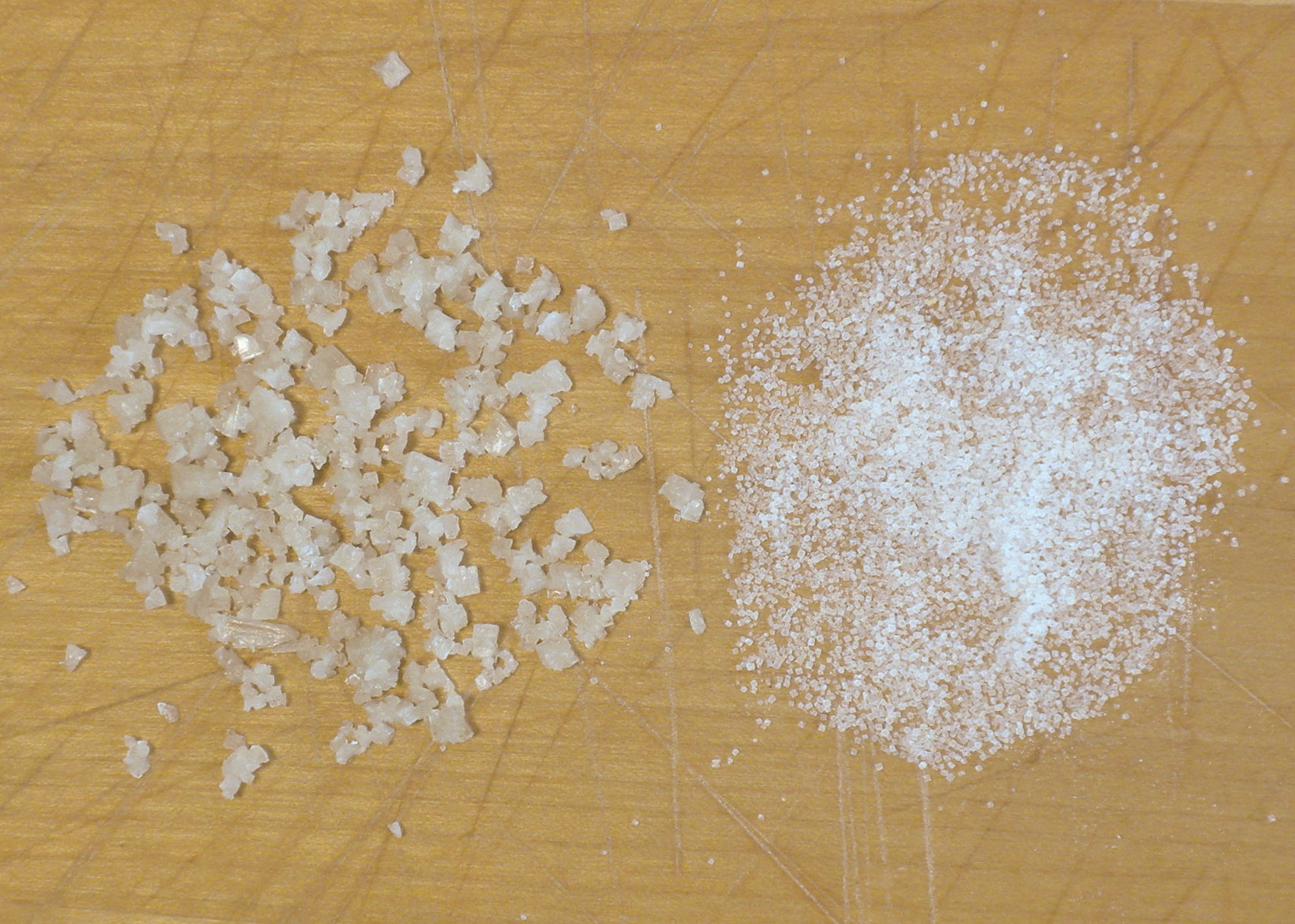
Natural Celtic Sea Salt and industrial factory salt

Natural Celtic Sea Salt on the left and factory salt on the right.

Salt is one of the most vital human nutrients, and our ancestors knew this. Yet, the consumption of salt is now under attack.

The government is trying to reduce the amount of salt people consume, claiming that it will improve health and prevent strokes and heart disease.

Part of the Paleo movement is opposed to adding salt to food, believing that our Paleolithic ancestors did not add salt to food.

Many people believe salt is very harmful.

Because I advise against pre-salting grassfed meat in my cookbooks, some people assume I do this to reduce salt consumption.

All of these beliefs are mistaken. If we do not consume enough salt, our bodies do not function properly. Ultimately, if people do not get enough salt, they die.

The Two Types of Salt

While all salt originally came from the sea, it is available in different forms. It must be understood that two general types of salt are available. They are not the same.

The most common salt is factory salt, which is composed of salt that has been stripped of its minerals, and has had chemicals and flavoring agents (often including sugar) added. This salt is a pure white color. It is ground very fine and flows easily out of a salt shaker, almost never caking. This kind of salt did not exist before the twentieth century. This is by far the most common form of salt in the United States, used extensively in processed foods and by most people, who are usually unaware that the minerals have been stripped out, or that chemicals and even sugar have been added to the refined salt.

Then there is pure, unmodified salt from nature, often harvested from the sea, though it is also found in solid deposits on land. This salt, consisting of nothing but sea salt and minerals, is the traditional salt that humanity has used since the beginning. This traditional salt is the only salt I use or recommend.

Humans Have Added Salt to Food Since the Earliest Times

The belief that early humans did not add salt to food is mistaken. I remember reading about how the early colonists of the United States would choose a site for settlement. They would always have someone, usually a skilled hunter or scout, follow some of the wild animal trails in the area. They were looking for one thing they absolutely had to have, or they would not settle in that areasalt. Wild animals also need salt, and they would find salt deposits, usually called salt licks. The animals would find salt deposits, and get their salt by licking them. There is every reason to believe that early hunters and gatherers did the same, and found salt by following wild animals or their trails.

All the old writings on cooking, including those going back thousands of years, describe the addition of salt to food. Salt was greatly valued in ancient times, being more expensive than gold in some areas.

The reason is quite simple. Our ancestors knew that they needed to add salt to their food to live and thrive.

Our ancestors used salt to preserve and ferment foods, and created many artisanal foods based on the use of salt, including sauerkraut, ham, cheese, jerky, sausage, and countless others. Our ancestors ate far more salt than we do.

Why We Need Salt

Salt is one of the most crucial nutrients we need. Our bodies use salt for many body functions, including digestion, regulating blood pressure, creating and regulating hormones, proper adrenal function, proper functioning of the nervous system, and proper functioning of the brain, among others. (See The Salt of the Earth.)

If we do not get enough salt, these vital body functions are adversely effected. If you were to put anyone on a totally salt-free diet, they would eventually die, after much suffering.

We often crave salt, because our bodies so desperately need it. If you crave salt, it may be that you are not getting enough.

Is Salt Good? Or Bad? Or Both?

There is a belief in mainstream medicine, supported by some research, that associates salt intake with increased risk of heart disease or strokes. There is other research that disputes this theory, and shows great harm occurring from salt restriction. (See The Salt of the Earth.)

In the past when heart disease and strokes were very rare, traditional peoples and most humans consumed much more salt than people do today. And we know that the Japanese, who have the highest average salt consumption on earth, have among the highest average lifespans on earth.

So how do we know what is true, when the research is conflicting and history contradicts some of the research?

My own personal, anecdotal, common sense belief is this:

The difference may be in the type of salt consumed. Prior to the twentieth century, all the salt consumed on earth was traditional salt, without chemical additives, with the natural minerals left in. I believe that this kind of salt is not harmful, and is vital to our health. The studies done that support the idea that salt increases the risk of stroke and heart disease were all done at a time when factory salt was used. These studies are only relevant to the use of factory salt. To the extent that studies have found harm from salt consumption, it may be because of the chemicals, or the fact the minerals are stripped out, or both. So my own personal belief is that it is good, and important, to eat all the traditional salt I want, without fear. At the same time, I avoid factory salt as much as possible.

Please be aware that I am not a doctor, or a scientist, and I am not legally qualified to give any kind of health advice to anyone, so I am not giving advicejust stating my personal belief and what I do.

I do feel that the salt restriction now being pushed by the government, part of the medical profession, and the food industry is ill-advised, and I base this belief on history, and the excellent research done in this article, which I highly recommend. (See The Salt of the Earth.)

Salt and Grassfed Meat

I advise against salting most grassfed meat too far in advance. This advice is given solely because I have found that long pre-salting tends to toughen some grassfed meats. I do use plenty of traditional salt at the table, and will often salt meat just before it is cooked. The right amount of salt really brings out the flavor of food, and is absolutely vital to the taste, nutrition, and flavor of homemade broth.

I do enjoy the salt of the earth, and I do not fear it.

Related Post

Natural Salt vs. Industrial Salt


Traditional Sea Salt Is a Vital Nutrient Tender Grassfed Meat Salt is one of the most vital human nutrients, and our ancestors knew this. Yet, the consumption of salt is now under attack. The government is trying to reduce the ... Sea salt vs table salt - vital differences in nutrition ... Sea salt vs table salt - nutrition. Once, I read an article written by a nutritionist who declared that the difference between natural sea salt vs table salt is just ... Salt seasalt ocean salt unrefined sea salt page Seasalt's Hidden ... Salt Intake is Vital; Vital Functions of Salt; Sea Salts Composition; ... Use of unrefined sea salt is as old as human history. ... Real Ocean Sea Salt is produced from ... Celtic Ocean Sea Salt - Natural Supplements for Health I'm referring to the forty-year old health lie that, avoiding salt will ... "Sea Sail's Hidden Powers" and "Sea Salt, the Vital ... Regenerative Nutrition advocates ... Sea salt vs. table salt: What's the difference? - MayoClinic.com She is active in nutrition-related curriculum and course development in wellness nutrition at Mayo Clinic in Rochester, Minn., ... Sea salt vs. table salt: ... Salt Health Is sea salt better for you than regular salt? Salt Guru on Sea Salt (video) ... This vital nutrient is imperative for good health and is critical to circulation. Sea Salt Nutritional Facts - eHow How to Videos, Articles & More ... In traditional methods of... Sea Salt Nutrition. Sea salt is a natural product. It is extracted from seawater by evaporation. Sometimes sea salt has a slight red or gray ... Celtic Sea Salts -A Superior Source of Trace Minerals and Taste Celtic Sea Salt Brand ... This natural products is obtained from traditional organic salt farmers, ... make salt the vital necessity and its color light gray. Salts That Heal and Salts That Kill Use of natural sea salt is as old as human history. ... Salt Intake is Vital. Salt is a vital substance for the ... salt enhances calcium absorption and nutrient ... Wild Red Traditional Canned Salmon 3.75 oz Vital Choice's Canned Seafood Sampler provides a taste of our most popular canned fish ... Nutrition Facts Wild Red Traditional 3.75oz Serving Size 1 ... sea salt. Average Rating: Read ...

Traditional Food for Winter

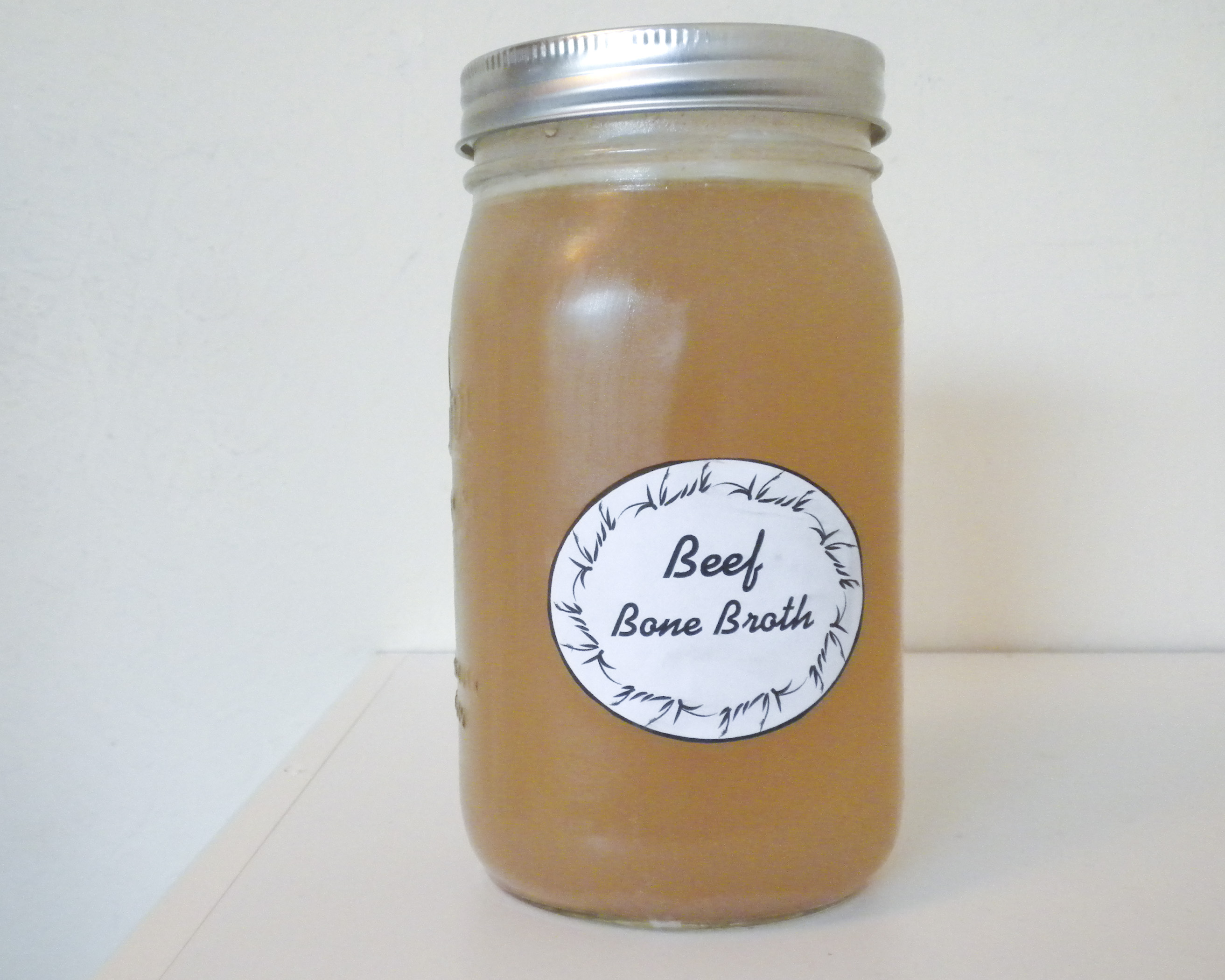
Beef bone broth made from nutrient-rich grass fed beef

Our ancestors sipped traditional beef bone broth throughout the day.

The huge storm that struck the Eastern United States is a sobering reminder of the power of nature. The storm has brought an early winter to much of the nation, causing intense cold and snowstorms in some areas.

Our ancestors had a number of traditional foods that they used to help them survive the long, cold winters. These time-tested traditional dishes kept people warm and filled their bodies with the nutrients needed to deal with the demands of winter. They were also delicious. My family has adopted the custom of having lots of bone broth, stews, pot roasts. and the occasional celebratory roast for a special occasion. We use only grassfed or pastured meats for this purpose. Not only do we enjoy the wonderful tastes of traditional food, but we stay healthy, without medication. Our ancestors had a lot of wisdom.

I have described some of these traditions in an article I posted on Handpicked Nation. Here is the link:

Cold Weather Cooking for Grassfed Meats


Winter Squash Soup with Sage Traditional Foods Subscribe to our Traditional Foods feed via email and access to the digital books in our kitchen tool kit. Read more here about what is in the tool kit to date at the ... Healthy Winter Foods - WebMD - Better information. Better health. Experts give advice on buying and preparing winter foods that are good for your health. Tirol.at Traditional food Culinary Winter From a religious point of view the concept of Trinity is easy in the kitchen, however, it requires some analytical skills. Seasonal and Holidays - Mexican Food Winter Holdidays; Dia de los Muertos- Day of the Dead ; Cinco De Mayo; ... And of course many traditional Mexican foods are enjoyed. Tamales- How to make them; Traditional Christmas Food - UK History Traditional Christmas Food Traditional Christmas Food In modern times, ... A huge feast in the middle of Winter took some thought, ... Winter recipes: Recipes: Good Food Channel - UKTV Home Winter recipes are all about comfort food, including piping hot pies, roast dinners, chunky soups and heart-warming stews for everyone to share. Winter Squash: Under-Appreciated in History, Great Uses in the ... Subscribe to our Traditional Foods feed via email and access to the digital books in our kitchen tool kit. Read more here about what is in the tool kit to date at the ... Best Winter Recipes - Food.com Get our best Winter recipes. ... With time on it's side - this recipe is hands down the best for traditional, homemade baked macaroni & cheese - comfort food. Winter Recipes - Food.com Eat and entertain seasonally with our members' favorite Winter recipes. ... It's a nice change from the traditional bread pudding recipes. It also travels very well ... Traditional French winter food L'Oie Naudiere The French are known for their fine cuisine, and like other times of the year winter time is no exception when they bring out fine wine to saut slow cooked ...

U.S. Wellness Meats Featured Chef of the Month with New Recipes

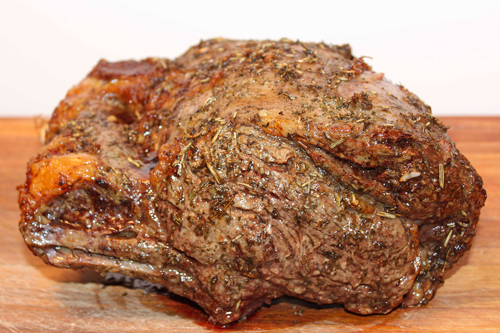
Herbed Holiday Grass-Fed Prime Rib

Herbed Holiday Prime Rib

I am happy to announce that I have been selected as the U.S. Wellness Meats Featured Chef for November. This is quite an honor.

Being the Featured Chef means that I was asked to develop four new recipes that will be posted on their website. The first of these recipes, a magnificent prime rib with an herb crust that would be ideal for a special holiday dinner is already up. The other recipes will be posted later this month.

U.S. Wellness Meats holds a special place in my heart. They sold me the first grassfed meat I successfully cooked. Since then, I have been a regular customer.

I am also an admirer of John Wood, the founder of U.S. Wellness Meats. John has made quality grassfed meat available through the Internet in an astonishing variety of cuts, along with a wonderful line of organ meat sausages that make it easy to get the unique nutrients of organ meats in a tasty form. There are many other great products available from U.S. Wellness Meats that are hard to find elsewhere, such as grassfed beef tallow and grassfed lamb tallow. John has also used holistic land management techniques developed by the Savory Institute to constantly improve and enrich the soil of his farm, while raising quality cattle. This is a model that I would like to see spread throughout the entire country, replacing the CAFOs and factory farms.

U.S. Wellness Meats is a longtime sponsor and supporter of my favorite organization The Weston A. Price Foundation, which spreads the truth about food and nutrition. John will be speaking at the WAPF Wise Traditions 2012 Conference that will be taking place November 8 to 12th, in Santa Clara, California.

I am also grateful to John Wood for the great support he has given me in the creation of my books. Not only did John give me valuable information about raising grassfed meat, he gave me constant encouragement and support while Tender Grassfed Meat was being written. When the book was published, John immediately bought a large number of copies, and U.S. Wellness Meats began selling the books.

Here is the link to my Featured Chef page at U.S. Wellness Meats, which also includes some interesting food questions and my answers:

Featured Chef Stanley Fishman

Here is the link to the four recipes I hinted at last month. They are delicious, and free. A magnificent prime rib, a Spanish short rib dish, a tender brisket, and the ultimate Paleo meatloaf, with organ meats. Enjoy!

Tender Grassfed Meat for the Holidays


U.S. Wellness Meats Our Animals Eat Right So You Can Too. Each month we head into the ... discover their favorite U.S. Wellness Meats recipes. ... recipes to discover delicious meals from our current and past Featured and Home Chefs, ... U.S. Wellness Meats Our Animals Eat Right So You Can Too. Each month well feature some of the best recipes from the U.S. Wellness Meats test kitchen for you to try at ... Learn more about Featured Chef Erin Shriver. ... Shortbread Cookies Recipe The Sophisticated Gourmet The e-mail asked us to participate as the U.S. Wellness Meats featured chefs for their next months issue of their Wellness Chefs ... meats tomorrow and the recipes ... We Want Your Feedback; New Featured Chef; Food Lover's Primal ... Launch of New Featured Chef ... 215-picture cookbook that will feature exclusive Primal Palate recipes. ... U.S. Wellness Meats does not sell, ... USWellnessMeats - YouTube Featured Browse videos ... 11:27 U.S. Wellness Meats: Chef Armstrong's Beef Wellington ... 4:09 U.S. Wellness Meats: New York City's Best Burger ... Grass-fed Beef U.S. Wellness Meats Cut Descriptions & Recipes ... The Delmonico featured by U.S. Wellness originates from the shortloin sub-primal near the rib end. Featured Recipes At U.S. Wellness Meats, ... He somehow managed to squeeze in some time to be this months featured chef, ... Peggy created some spectacular recipes for us this month, ... Tender Grassfed Meat: Traditional Ways to Cook Healthy Meat U.S. Wellness Meats Featured Chef of the Month with New Recipes. By Stanley A. Fishman, ... Here is the link to my Featured Chef page at U.S. Wellness Meats, ... US Wellness Meats Facebook OMG that's Paleo features 30 new recipes never seen before as well as selection of the ... U.S. Wellness Meats Our Animals Eat Right ... Our December chef, ... Grass-fed Liver Tender Grassfed Meat U.S. Wellness Meats Featured Chef of the Month with New Recipes. By Stanley A. Fishman, ... Here is the link to my Featured Chef page at U.S. Wellness Meats, ...

Grassfed Cooking Tips

A grassfed steak fit for champions barbecued by Stanley A. Fishman.

Grassfed steaks, properly cooked, are the best tasting.

Many people have heard of the health benefits of grassfed meat. Just as I once did, they will buy some grassfed meat, cook it the same way they cook other meatand ruin it. Many of these people will never try grassfed meat again, convinced that it is tough and tastes bad. This can happen even to professional chefs. It certainly happened to me.

Yet I will tell you that grassfed meat is incredibly tender, with flavors that make conventional meat taste like cardboard. I now find the taste of grain-fed meat to be totally blah, and the texture of grain-fed meat to be repulsive.

The difference is all in how you cook it, though the meat itself is just as important. Knowing what meat to select, and how to cook it, has resulted in hundreds, perhaps thousands of wonderful grassfed meals for me and my family. And the meat is always tender.

When I became frustrated with my failures in cooking grassfed meat, I realized that our ancestors knew how to cook it. They had to. There was no other red meat. And I read many accounts of how humans have loved and cherished red meat for thousands of years, and used red meat to recover from wounds and illness.

I went to work, researching many older cookbooks, histories, and old novels. I came to understand that our ancestors cooked grassfed meat very differently than we cook factory meat, and decided to use the old ways, adjust them for modern kitchens, and see what I could do. After years of research, experimentation, and cooking hundreds of meals, I finally learned how to cook this wonderful meat.

And I discovered a secretproperly cooked grassfed meat is not only much healthier for us, with large amounts of omega-3 fatty acids, CLAs, and vital amino acids in a form that our bodies easily absorbit tastes much better than conventional meat. And it is more tender, with wonderful mouth feel and texture.

The details of how to cook grassfed meat and to have it come out tender and delicious every time, using easy methods, are contained in my cookbooks: Tender Grassfed Meat and Tender Grassfed Barbecue.

Each book contains over a hundred detailed recipes.

In response to a request from my good friend Kimberly Hartke, I have decided to share some tips on cooking grassfed meat. These tips will be useful for most people who are learning to cook grassfed meat.

Here is the link, to my article on Kimberlys great blog, Hartke is Online:

The Cooking of Grassfed Meat, Tips and Tricks


Tips for Cooking Grassfed Beef - American Grassfed Association Tips for Cooking Grassfed Beef Grassfed beef is ideal at rare to medium-rare temperatures. If you prefer meat well done, cook at a low temperature in a sauce to ... Tips on Cooking With Grass-Fed Beef eHow.com Grass-fed free range beef is part of the growing sustainable and organic food movement. Grass-fed cattle roam pastures that are not sprayed with chemical pesticides ... The Cooking of Grassfed Meat, Tips and Tricks - Hartke Is Online! My Secrets to Success with Grassfed Meats. By Guest Blogger, Stanley Fishman, author of Tender Grassfed Meat and Tender Grassfed Barbecue. Grassfed meat is far ... Tips for Cooking Grass Fed Beef Tips for cooking grass fed beef. ... HOME; CONTACT US; DR WHISNANT BLOG; CALENDAR; STORE LOCATIONS; RAIN CROW RANCH ; Orders placed after the 17th of December will ... Missouri Grass Fed Beef Great Steaks, Roasts, Kabobs, Ribs ... Cooking Tips. Like all grass-fed beef, Missouri Grass Fed Beef's meat is lower in fat, so our meat cooks faster than corn-fed beef. To maximize your enjoyment of our ... Cooking Tips and Recipes Grassfed Cooking .com Dear Friends; I first became acquainted with many of you in 2002, when I sent around letters telling you of my plans to write a cookbook for grassfed meats ... Hearst Ranch - PublisherPageImages: present Broiling Tips; View Cart Grass-Fed Cooking Tips. Grass-fed beef not only tastes different than conventional corn-fed beef, it also cooks differently.In general, ... Pastured Turkey Cooking Tips 2012 Grassfed Cooking .com By Shannon Hayes. Helpful hints for when you buy (and roast) your first pasture-raised Thanksgiving turkey. November has rolled in, a promising Thanksgiving is on the ... Grass Fed Beef- Cooking Tips - Home - CSU, Chico 1. Your biggest culprit for tough grass-fed beef is overcooking. This beef is made for rare to medium rare cooking. If you like well done beef, then cook your grass ... The Grassfed Gourmet - Cooking Tips When grilling steaks, SEAL not sear, steaks on each side over medium high heat coals then move to low heat coals to finish cooking- slowly. Grassfed steaks are at ...

I Am Thankful for Grassfed Meat

Cranberry Revival Before the Boiling

Creative Commons License
photo credit: Andrew Morrell Photography

Every year, I follow an old American custom. When Thanksgiving comes around, I think about what I am thankful for.

The list is very long, but there are some things that really stand out. This year, I am particularly grateful for grassfed meat and grassfed fat. These wonderful traditional foods are so good for our health, and so delicious. There was a time when I could not get them. And there was a time that I did not know how to cook them.

That has changed, and I am thankful for that.

I Am Thankful for the Good Farmers Who Raise Real Grassfed Meat

Few people realize that it takes much more skill, knowledge, trouble, time, and effort to create grassfed meat. It is much easier, cheaper, and faster to raise a factory cow, and ship it off to the feedlot to be turned into factory meat.

Raising a grassfed cow is something different. It takes a knowledge of what breeds will fatten on grass. It takes an understanding of the magic of soil and pastures, and how to graze and when to graze, and when to rest the soil. It takes knowledge of the seasons and weather patterns, of the needs of the cattle, of the unique peculiarities of the land used for grazing, and the plants on that land. It takes an ability to adjust to changing conditions, which can change the whole dynamic. It requires creativity, intelligence, ingenuity, and decisive action. It is as much an art as it is a science, and the parameters are always changing.

I have talked with some true experts on raising great grassfed cattle. Ranchers like Chris Kerston of Chaffin Family Orchards. John Wood of U.S. Wellness Meats. Lee Mora of Humboldt Grassfed Beef. Ed Wimble of Homestead Natural Foods, and others. I am amazed by the great intelligence, know how, practicality, determination, and creativity of all of these ranchers. Every day is a challenge, and they always manage to meet it, raising some of the most wonderful food in the world. They know the magic of pasture, the ways of their cattle, the impact of the weather, and a thousand other things that are vital for raising great grassfed beef. They know how to improve their land by managing the grazing of their herds, and how to make the soil richer and better.

The meat they raise is healthy and delicious, being some of the finest food we could ever hope to put in our bodies. I can only hope that they will pass on their special knowledge, and that it will not be lost. We have a desperate need for good grassfed meat in a world where inferior factory meat dominates the market.

I am very grateful for the meat they raise, and for the fact that I am able to get it and feed it to my family and myself.

I Am Grateful for the Cooking Knowledge of Our Ancestors

It is not enough to be able to buy grassfed meat. You also have to know how to cook it. I learned this the hard way, and I mean that literally. You would be able to break windows with some of the first grassfed meat I ruined.

The first grassfed meat I cooked was good meat, and I ruined it. It was tough and tasteless. Everything I knew about cooking and marinating factory meat failed, when I tried to apply it to grassfed meat. After many failures that resulted in tough, bad tasting meat, I gave up.

But I still wanted, I still needed the many health benefits of grassfed meat. My body needed to rebuild after many years of illness, and factory meat just was not doing the job. It occurred to me that our ancestors must have known how to cook it. And they must have enjoyed it, because the histories and novels and legends were full of accounts of wonderful feasts of meat. And that meat was grassfed, through most of history, everywhere in the world. It was only in modern times that factory meat became available.

An old memory came to me. My Dad grew up on the prairies of Canada. When he was ten, he and his younger brother were put on the train, and given money to buy food in the dining car. They would be going a long way, to stay with relatives. My Dad and his brother had heard stories of the wonderful steaks in the dining cars of the railroad, which were very expensive. They decided to blow most of their food money for the trip on a steak dinner. That steak was so wonderful that my Dad never forgot it. He remembered it eighty years later, when he was dying, and that memory brought one of his last smiles. I realized that this magnificent steak had to have been grassfed.

This inspired me to read hundreds of old cookbooks, novels, and histories. While most of the recipes assumed that the reader already knew how to cook, and gave very vague instructions, certain themes were repeated over and over. I began to experiment with them, and the time came when I learned how to cook grassfed meat, and make it tender and delicious every time. I focused on easy methods, as I did not have the time or interest for the more elaborate ones. I also learned many other things about ancestral cooking, especially about how to combine different foods to create a very nourishing meal. This knowledge became the foundation for my cookbooks, Tender Grassfed Meat, and Tender Grassfed Barbecue, and the basis of so many wonderful meals.

I am thankful for the cooking knowledge of our ancestors, and how it enabled me to learn how to enjoy the benefits and awesome taste of grassfed meat.


I Am Thankful for. . . Vegan Tortiere (Meat Pie): Gluten Free ... I Am Thankful for. . . Vegan Tortiere (Meat Pie): Gluten Free, Dairy Free, Anti-Candida Friendly Vegan Vegan Vegan! October 16th, 2010 at 11:05 pm Fight Back Friday November 23rd Food Renegade I Am Thankful for Grassfed Meat. Reply. Lauren. November 23, 2012 10:33 am. Thanks for hosting Kristen! Ive added my Slow Cooker Blueberry Apple Crisp. Our Local & Grassfed Meat on a Budget (Recipe: Beef & Lentil Burritos) Our Local & Grassfed Meat on a ... Im just really thankful for these guys who know ... I cant imagine going back to store bought meats. I am grateful that we ... Tender Grassfed Meat: Traditional Ways to Cook Healthy Meat I Am Thankful for Grassfed Meat. By Stanley A. Fishman, author of Tender Grassfed Meat and Tender Grassfed Barbecue. photo credit: Andrew Morrell Photography. I Am Grateful for Grassfed Meat and Real Food Tender Grassfed Meat I am grateful for grassfed meat and real food. Thanks to the ranchers and farmers who raise real food. Thanks to those who spread the truth about food. Latest News & Headlines: - American Grassfed Association A National multi-species organization dedicated to protecting and promoting grassfed producers and grassfed products ... How to Cook Grassfed Meat. Lamb ... Grassfed Beef Ordering Center - Welcome to CrossFit South Cobb ... Grassfed Beef Ordering ... To sign up and learn more about the meat ... "Its been a truly amazing series of events that have brought me to this point and I am so thankful for ... The Scoop on Grass-fed Beef Whole Foods Market I am linking this article on my blog to spread the word. ... @JOE - All of our meat, including grass fed beef, will not have any added hormones or antibiotics, ever! Eatwild The 1st cookbook devoted to grass-fed meat and dairy products. Get It Right with the. Don't Over-Do It! Magnet. Want real butter that's soft, Slankers Grass-Fed Meats - Powderly - Insider Pages - Restaurant ... "Slankers grass fed meat is amazing! ... I am thankful that there is a source of healthful grass fed meat that is reasonably priced. September 23, 2009.

Grazing Animals Are the SolutionEat Grassfed Meat

Rich, healthy land at Chaffin Family Orchards.

Rich, healthy land at Chaffin Family Orchards.

Before I went to the recent Weston A. Price Foundation Conference, I decided I would blog about the most important thing I learned there, and share what I had learned. I thought it would be a difficult decision. I was wrong.

The recent Weston A. Price Conference had many lectures, and many themes. They covered a huge variety of topics involving food and the raising of food, disease and ways to avoid or cure it Yet one of these topics was so vital, so important, so overwhelming, that it dwarfed all the others. I learned this at a fantastic talk given by Chris Kerston, of Chaffin Family Orchards, a true real farmer, whose farm uses no chemicals.

This is a concept that most people have never heard of, yet it holds the solution to almost everything that is wrong with the condition of our planet , our food supply, and our water supply.

This concept was not created by scientists, and uses a technology older than humanity. It uses the very laws of nature to build soil, increase green vegetation, sequester carbon in the earth, bring water back to long-dry streams and rivers, enrich the soil, and provide a healthy and nutritious food supply.

The concept is to use large herds of grass-eating animals, grazing them in a manner that mimics the patterns of nature, to rebuild the soil and create grasslands and forests. This method is how the grasslands and forests were created in the first place, and was invented by nature, not humans.

Modern Agriculture Destroys the Soil and Creates Deserts

We have become so seduced by technology and science (and the quick profits it can bring), that we have forgotten one of the oldest rules of every civilization. The rule that natures laws must be obeyed.

Instead of using the hard won agricultural knowledge of our ancestors, we have poisoned the soil with a huge variety of chemicals, using them to kill insects and undesirable plants, along with crucial microflora that are vital for the health and nutrition of the soil. We have used techniques like monocropping and artificial fertilizers to produce huge crops of plants like soy and corn, without giving the land a chance to rest and renew.

These methods have led to huge amounts of once fertile grasslands and farmland turning into desert, as the soil blows away, and is not replaced. The lack of grass and growing green plants has disrupted the balance of the atmosphere, and led to increasing water shortages. The food that is grown on the declining soil lacks the nutrients it should have, and animals grazing on such soil are less healthy than they should be. Artificial feed compounds the problem, as food animals are fed species-inappropriate food that reduces their health and nutritional value, while making them grow at an unnaturally fast rate.

The loss of soil and green plants cannot be sustained. If this trend continues, the food supply will be greatly reduced, more and more land will return to desert, and the future will be very bleak.

It should be mentioned that nothing developed by science or the greedy biotech companies has done anything effective to solve this problem. Instead, their theories and products only make things worse, and hasten the decline of the soil.

The Natural SolutionProperly Managed Herds of Grazing Animals

Dr. Weston A. Price, the greatest nutritional researcher of all time, said

Life in all its fullness is mother nature obeyed.

Even in the early twentieth century, Dr. Price knew that the soil was depleted of nutrients, and that every generation of his patients was sicker and weaker than their parents. He knew the key was in nature.

Alan Savory, the founder of the Savory institute, made a very important discovery about the laws of nature. Herds of grazing animals, moving from place to place, staying tightly packed to protect against predators, renewed the soil.

The process bears a stunning resemblance to traditional farming, and works as follows.

The herds eat all the old growth, digging up the earth with their hooves, trampling the grass seeds deep into the soil, and fertilize the soil with their rich manure. This creates ideal conditions for the growth of new grass. The herd moves on, letting the land rest and renew its life and richness. The growing grass holds water in the soil, with lead s to the creation of streams and watercourses. This leads to the growth of trees, which promote rain and release beneficial elements into the atmosphere. When the herd returns, it is greeted by lush green living grass, the perfect food for grazing animals. And the whole cycle repeats itself, resulting in even richer soil, greener grass, and more water, trees and plants.

This is natures way, and natures law, and we can work in accordance with it, and prosper, or ignore it, and ultimately perish.

Alan Savory and his Institute have turned millions of acres of desert into lush grasslands, by using herds of cattle, grazed and managed in accordance with the techniques he developed that follow the laws of nature. Long dead streams and rivers have come back when this program is followed, and the rich grasslands provide the perfect food for grazing animals, grass.

And these grazing animals provide the perfect food for humanity, grassfed meat, grassfed fat, real milk, and real dairy products. This has always been humanitys richest, most valuable food source.

In summary, I cannot think of anything that could help us more than to follow the Savory Institutes method of renewing the land, the soil, and the water supply by using properly grazed herds of grass-eating animals. This is the solution to our problems with soil and food. It is right before us, and has been proven to work, with none of the horrifying side effects of modern, chemical agriculture.

Eating the grassfed meat and other foods from animals grazed in this manner is one of the best things we can do to support natures way of healing the planet. Many grassfed ranchers use these methods, and supporting them by buying the food they raise not only helps their soil, but gives us some of the healthiest, life-supporting food we could possibly eat. Food like this makes you strong and healthier, and is utterly delicious.

Related Posts

Grassfed Farmer Renews the Land

A Better, Sustainable Way to Farm


Southwest Grassfed Livestock SWGLA - Southwest Grassfed Livestock Alliance - grass-fed, organic, natural meat ... When grazing animals are raised on their natural diet of grass, ... Grass-Fed - Go Green - Green Living - How to Go Green Beef from grass-fed animals is a very different type of meat. ... especially when forests are cut to create cattle grazing areas. Grass-fed meat is also slightly ... Cattle feeding - Wikipedia, the free encyclopedia Animals grazing in rangelands, ... released a revised proposal for a grass fed meat label claim for its process-verified labeling program in May 2006. ... Weston A. Price Tender Grassfed Meat Grazing Animals Are the SolutionEat Grassfed Meat. ... The meat and fat of grassfed animals is the oldest human food, and our bodies thrive on it. Eatwild Find a state-by-state list of local pastured meat and dairy products (as well as some wild seafood, honey ... and Dairy Products from Grass-Fed Animals by ... Humane Meat - Animal Rights - Articles and Blog About Animal Rights ... but is certified humane meat the answer? Animal activists ... and allows livestock grazing on 160 million ... What are the Differences Between Grass Fed ... Tender Grassfed Meat: Traditional Ways to Cook Healthy Meat Grazing Animals Are the SolutionEat Grassfed Meat. ... And these grazing animals provide the perfect food for humanity, grassfed meat, grassfed fat, ... Grassworks!!! Grass works for grazing animals to produce protein, ... We produce grassfed meats from livestock grown on high-quality pastures, with no hormone implants, ... Eat Wild - Environment The milk of grass-fed cows is much healthier for you as well. (Read Jo ... But eating meat from well-managed grazing animals is a net benefit to the planet. What About Grass-fed Beef? John Robbins Official Site Taste-panel participants have found the meat from grassfed animals to be characterized by off-flavors ... Cattle grazing in the West has polluted more ...

Real Foods for a Healthy Winter

Friar Tuck Pan Roast from page 108, Tender Grassfed Meat

Friar Tuck Pan Roast from page 108, Tender Grassfed Meat

Winter is coming. In Europe, those words were a serious warning. Winter, with the freezing cold it brought, the snow and occasional blizzards, was the time when many people died. In fact, often a persons age and health were measured by how many winters they had survived. The Native Americans of the Great Plains also used this measurement.

Whether one survived the winter, before central heating and supermarkets, was largely dependent on having shelter, fuel, and, most importantly, the food that ensured survival. Our ancestors learned much about what to eat during this dangerous time, and passed this knowledge down through the generations.

While most people in the U.S. and Europe do not see winter as a threat, more people do get sick in winter and more people die. Many people expect to have colds and flus during winter, and many do. Most people have no idea of what their ancestors ate to survive the winter, and depend on doctors and prescription drugs, or over-the-counter drugs, to get them through it. Unfortunately, doctors know nothing about curing colds and flus, and the drugs are of limited effectiveness and all have negative effects. Some take flu shots, and get sick anyway.

We can still use the wisdom of our ancestors to stay healthy during the winter, by eating the foods that make our immune systems strong and able to fight off colds and illness.

Traditional Winter Foods

Our ancestors used a number of foods in winter, foods that they knew would help them stay healthy. Here are a few of the favorites in Europe and the United States.

Bone Broth

This is the number one winter survival food in the entire world. Made from the bones of grassfed animals and pastured poultry, or wild game, these broths were the best mineral supplement ever invented. The long simmering process, usually at least twelve hours, extracted the nutrients, minerals, and gelatin from the bones and meat, and put it into the broth, where it could be easily absorbed. The gelatin from the bones and cartilage was also invaluable, improving the digestion, nourishing the gut, providing a protective coating to membranes and the stomach, and enabling the body to keep digesting and absorbing the nutrients from food. The broths were always cooked with plenty of unrefined salt, which also nourished and protected the body. The broths were always drunk hot, not scalding, but hot. The hot, nourishing liquid warmed the body from the inside as it was slowly sipped, helping to ward off the cold . Those who had it would drink broth every day of the winter, plenty of it.

Stews

A traditional European stew contained grassfed meat, onions, garlic, and a number of other winter vegetables. Often broth was added. These ingredients were slowly simmered together for hours, which caused the vegetables to disintegrate into the gravy. The meat also broke down, and merged its nutrients with those of the vegetables. When the stew was ready, it would be very tender, and thick. The tender meat and vegetables were easy to digest, and the nutrients extracted from the ingredients form the long cooking process were easy to digest and absorb. These stews were also rich in minerals and gelatin. They were always served hot, and there are few things as warming and satisfying as a forkful of hot, traditional stew. Eating a stew like this after coming in from the cold is one of the most satisfying things you can do, as your taste buds and body welcome the badly needed nutrients.

Winter Fruits and Vegetables

It was hard to get fresh vegetables in the cold of winter, yet our ancestors had their ways. Onions, carrots, and cabbage would keep for a long time in a root cellar, and were full of nutrients. Just about every stew, broth, and pot roast was made with onions, and carrots were also often available. Turnips would also keep in a root cellar, and were widely used. Later on, turnips were largely replaced by potatoes. These traditional vegetables were often added to broths and stews, and greatly increased the nutritional value of these warming dishes. Cabbage was not only cooked into stews and broths, but fermented into sauerkraut. Fruit was often dried during the fall and eaten during the winter, often cooked into stews, and added vital nutrients. Dried apples were a favorite in Europe.

Fermented Foods

Traditional fermented foods were a crucial part of the winter diet, all over Europe and the cold parts of Asia. The fermenting process not only preserved the food, but actually increased its vitamin content. The most famous and crucial fermented food was sauerkraut, which was eaten every day in small quantities, providing crucial vitamins such as Vitamin C, and friendly bacteria that helped the immune system and the digestive system. Many other vegetables were also fermented. The fermentation process used was lacto fermentation, which used salt and natural bacteria to do the job. This type of fermentation is the only way to get the nutrients from these foods that our ancestors did.

Pot Roasts

These traditional dishes consisted of cooking a large piece of pastured meat, always one of the cheaper cuts, in a covered pot with spices, herbs, and winter vegetables, with some liquid added, often broth. These delicious concoctions were cooked slowly until very tender, and until much of the vegetables had dissolved into the heavenly gravy. Very tender, and full of nutrients like a stew, these roasts were also served hot, and would warm the body and soul on a cold day, while giving valuable nutrition. And the smell as the meat slowly simmers away is so good.

Fat Roasts

The more tender cuts of meat, containing much fat, both in the meat and covering the meat, were expensive, and beyond the means of most people. But the nobles and those who could afford them would make great use of them in winter. Grassfed meat, roasted in its own fat, often served rare or medium, is loaded with vital nutrients, and the smell of roasting meat and fat is one of the best on earth. These roasts were served hot, with plenty of their own fat, which was eaten along with the meat. The pastured fat was full of vital nutrients, and helped the body resist the cold, while nourishing the brain. Even people of more modest means would enjoy roasts at feasts and holidays, with beef, lamb, pork, geese, ducks, and fat chickens being the favorites. The fat skin of geese and ducks was particularly prized as a winter food, as was the crisp fat that covered beef, pork and lamb roasts. Eaten hot, these were absolutely delicious. These roasts were often served with rich sauces and gravies made from their own fat and drippings, often with butter and cream, or added broth. These sauces added even more fat to the dish, in a most delicious and warming way.

Salted Meats and Fish

Much of the meat used in earlier times was dried, or salted, or fermented, so it would be available when needed in the winter. Ham, sausage, bacon, salt pork, pastrami, corned beef, and salted beef are examples of these foods. Fish were often salted or dried, also for the winter. These heavily salted meats were also eaten hot, and the fat they often contained helped the body resist the cold. Bacon in particular was a popular winter food, as were hundreds of kinds of sausages. The heavy fat content in these products not only made them delicious, but helped people resist the cold.

There are many other winter foods, but these are some of the main ones. We always eat plenty of broth, stews, pot roasts, and roasts during the winter. There are recipes for many of these traditional foods in Tender Grassfed Meat. I can often feel the strength and health flow into me as we eat these traditional foods. Good food can do more to keep us healthy, in my opinion, than anything else. And it tastes so good.


Winter Foods for Healthy Skin Eating Well Keep your skin healthier this winter with these foods. Keep dryness and wrinkles at bay with these foods that are packed with nutrients to keep your skin healthy ... Healthy Foods For Winter - Breakfast, Lunch and Dinner Health Tips ... Almost all people don't know what to eat during winter season and they end up eating unhealthy foods - both kids and adults. They completely avoid healthy winter ... Seasonal Cooking With Winter Foods - Healthy Recipes Center ... Wonderful food grows year-round even during the winter. In fact, winter vegetables and fruits often have intense flavors and they're very healthy, so don't ... Stay Healthy This Winter With Real Food - Simple Homemade ... As we approach the season of colds and flu, find out how to boost your immune system naturally with real foods. Healthy Winter Recipes and Menus Eating Well ... healthy diet recipes, weight loss recipes and healthy menus from EatingWell ... Real maple syrupnot the maple-flavored ... Winter Greens Healthy Food Guide; The 9 Best Winter Foods Eat This, Not That Just because it's winter doesn't mean you should skip the produce aisle. ... But here's the catch: A healthy diet is made from more than just fruit. Healthy Winter Foods - WebMD - Better information. Better health. Experts give advice on buying and preparing winter foods that are good for your health. 4 Healthy winter foods - Entertainment Recipes Love Contests ... Winter brings a new bounty of healthy foods that warm your belly and offer many nutritional benefits. Here are four delicious winter foods to keep on your plate this ... EatingWell: 9 Winter Foods for Healthy, Beautiful Skin Featuring fresh takes and real-time analysis from HuffPost's signature lineup of contributors The 6 Best Foods for Winter Yahoo! Health Winter is not necessarily conducive to good health; the season conjures up images of calorie-loaded comfort foods, fireside naps, and runny noses.

Grassfed Feasts for the HolidaysAn Old Tradition

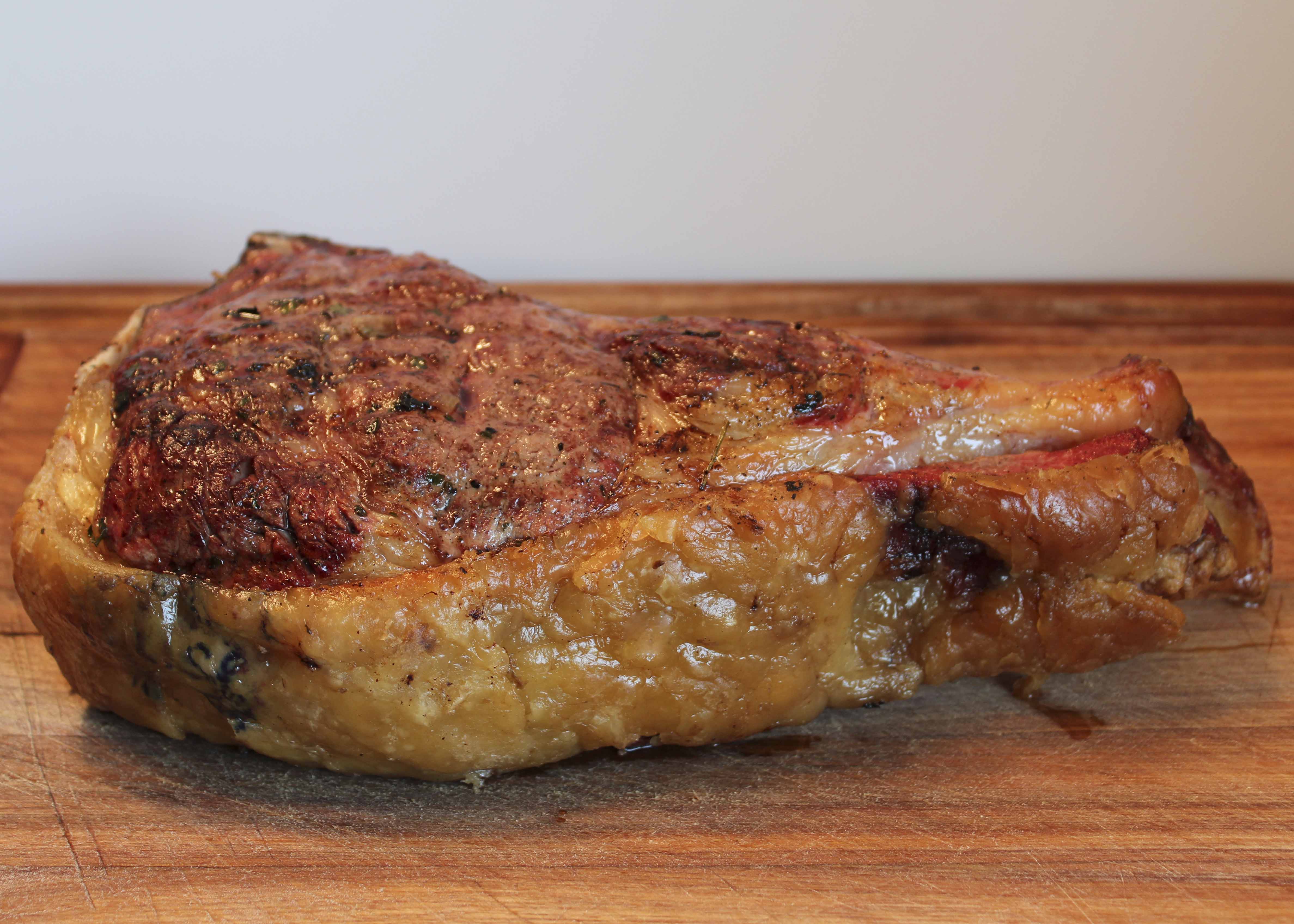
English Style Prime Rib from Tender Grassfed Meat by Stanley A. Fishman

English Style Prime Rib, page 86, Tender Grassfed Meat.

A feast at the end of the year is a very old European tradition, going back to the days before Christmas was celebrated. This holiday was often known as Yule. It has generally been replaced with Christmas, which also traditionally includes a feast.

It was common to welcome the New Year with a feast as well.

These days, people are taught to fear their food. Fat from healthy animals, one of the most vital and nutrient-rich foods we can eat, has been demonized and blamed for heart disease, and almost every other chronic disease known to humanity. This is just not true. People ate foods rich in animal fat during eras where heart disease, cancer, and most other modern diseases were unknown.

Yet the propaganda has been so effective that many people do not even know which foods were the traditional centerpieces of the holiday feast, and have never tasted them.

Certainly, skinless, boneless chicken breast, or skinless, boneless turkey breast, from birds fed GMO soy and GMO corn, were never the center of the holiday feast. Neither were vegetarian concoctions such as soy substitutes for meat, laden with chemicals and flavor enhancers.

The traditional centerpiece of the European and American holiday feast was a big grassfed roast, or pastured roast, or pastured bird, roasted whole with its skin intact.

It is time to put the fear aside, and enjoy the rich, traditional bounty of the holiday. You do not have to restrict yourself to lean factory meats devoid of taste and nutrition. We can still enjoy the feasting traditions of our ancestors and the many health benefits of grassfed and pastured meats.

Traditional Foods for the Feast

Prime Rib Roast

This roast, grassfed until the mid-twentieth century, is a magnificent centerpiece for any holiday feast. Cut from the chine area of the steer, the most prized traditional cut, sometimes reserved for heroes, it is a magnificent sight. Resting on a natural rack of its own bones, covered by a thick mantle of its own healthy fat, it produces instant hunger when brought to the table.

Prime rib has a unique taste of its own, that no other beef or meat shares. It is a truly wonderful taste, enhanced by being roasted on the bone, enriched by the melting fat that bastes the meat as the roasting proceeds. The natural fat cap helps keep the meat moist and tender, while lending a magnificent flavor.

It is an old tradition to roast vegetables in the same pan as the prime rib. The vegetables caramelize in the flavorful fat that melts from the roast, developing a depth of flavor that must be tasted to be believed, turning crusty on the outside while remaining tender on the inside. Organic potatoes reach their height of perfection when roasted this way, which also adds scrumptious flavors to peeled and sliced carrots and onion wedges. A traditional grassfed prime rib roasted with vegetables in this manner is perhaps our favorite holiday meal, which we have at least once every holiday season. You can see a photo of one of our holiday prime ribs above.

Roast Tenderloin of Beef

A whole tenderloin of beef is another holiday choice for a special meal. Grassfed tenderloin, in particular, has a wonderful flavor. Tenderloin is naturally lean, and traditional preparations add fat to it in many different ways. It often had slivers of bacon inserted in the meat, a process called larding, that used a special needle. It was often wrapped in pork fat, or beef kidney fat. It was often marinated in oil with herbs. Many times, it was coated with large amounts of butter and basted as it roasted.

Grassfed Beef Wellington, page 92, Tender Grassfed Meat by Stanley Fishman

Beef Wellington, page 92, Tender Grassfed Meat.

Yet our favorite method of cooking this magnificent, luxury cut is to cook it in a rich pastry, made with huge amounts of butter, known as Beef Wellington. The meat is coated with a mixture of finely chopped mushrooms and onions, sauted in butter until they have shrunk and caramelized, which greatly intensifies their flavor. The coated meat is than wrapped in butter-rich puff pastry, and roasted to tender, flavorful, perfection.

The smell of the roasting grassfed meat, butter, and mushrooms makes you so hungry, and the sight of the wonderfully browned pastry as it is carried to the table is something to behold. The combination of the tender grassfed meat, sauted mushroom coating, and buttery pastry is wonderful beyond my ability to describe it.

Roast Rack of Lamb

Castillian Rack of Lamb from Tender Grassfed Meat by Stanley Fishman

Castillian Rack of Lamb with Chine, page 167, Tender Grassfed Meat.

The rack of lamb is cut from the chine portion of the lamb, traditionally the most valuable and cherished cut. This cut is also a great choice for a holiday feast. Many people, especially in the U.S., think they do not like lamb, but that is only because they have not had quality grassfed lamb, from a traditional meat breed, which has a mild yet wonderful taste, especially when served rare to medium rare.

A rack of lamb has been prized in Europe as a holiday feast for a very long time, and we have learned how to enjoy this tradition as well.

Racks of lamb are often Frenched, which usually means that all the fat is trimmed off. I do not recommend this, as the fat is crucial to a magnificent roast. Sometimes during the holidays you will come across a crown rack of lamb, which is cut in such a way that it is almost guaranteed to come out overcooked. I do not recommend this either. Most American butchers will cut a rack of lamb between each bone, to make it easy to carve into individual chops once roasted. I do not recommend this either, as it almost always results in an overcooked lamb that has lost far too much of its natural juices and flavor.

The rack of lamb in our holiday feast rests on a natural rack of its own bones, retains a thick crown of its own magnificent fat, and is uncut and wholeno cuts between each chop to let the flavor out. It roasts quickly at a high heat, with organic potatoes and other vegetables in the pan, caramelizing in the melting fat, and taking on a wonderful, crusty flavor and texture. The smell of this cut as it roasts is almost as good as the taste when it is finally served. It is important to serve lamb hot, and not let it get lukewarm or cold. But the flavor of a true grassfed lamb, from a traditional meat breed, is magnificent.

Roast Goose

No article about holiday feasts in winter can be complete without at least a mention of roast goose, which was one of the favorite Christmas meals in Europe for many centuries. In fact, having a roast goose for Christmas was so important that many employment contracts provided that the employer would give the employee a fat goose at Christmas timeit was that important.

Goose is not commonly made these days, and is a bit tricky to get right, but when you get it right, it is something very special. The plentiful, crisp skin is in a league of its own, being an incredibly satisfying mouthful, with a wonderful texture and flavor. The tender dark meat has a great depth of flavor which sets off the crisp skin perfectly. Any traditional holiday goose will include a delicious stuffing, often rich with apples, which go perfectly with the goose meat. And the traditional gravy, flavored by the rich, caramelized drippings, is something special, a symphony of flavors that enhance the stuffing, the skin, and the flavorful meat.

The goose gives off a lot of fat when roasting, so much fat that it must be carefully drained at various times during the roasting. Traditionally, this fat was saved, and used for cooking, and for healing. I have saved goose fat in this matter, and it is one of my favorite fats to cook with.

There are many other traditional centerpieces for the holiday meal, including hams (both cured and fresh), duck, capon, turkey, leg of lamb, rib roast of pork, roast pork loin, roasted beef strip loin, roast saddle of lamb, and others. All of them are roasted whole, with plenty of their own fat, and usually roasted on the bone. Our ancestors knew how to celebrate with food!

My first cookbook, Tender Grassfed Meat, contains many recipes for prime rib and rack of lamb, and the best grassfed Beef Wellington I have ever tasted.


Tender Grassfed Meat Facebook Tender Grassfed Meat. 1,175 likes 108 talking about this. Facebook logo. Email or Phone ... Festive holiday feasts are a very old tradition all over the world. Jewish Feasts and Holidays of God:Celebrating Jewish and Christian ... As Christians, we should be aware of the Jewish Feasts and Holidays of God. They relate to our rich heritage rooted in Hebrew traditions of our Christian faith. folklore facts holiday traditions - Old Farmers Almanac: weather ... Read about folklore, history, and traditions of holidays to help you celebrate throughout the year. The Old Farmer's Almanac provides information on holidays ... Tender Grassfed Meat: Traditional Ways to Cook Healthy Meat Grassfed Feasts for the HolidaysAn Old Tradition. ... grass-fed meat, grassfed lamb, holiday feast, Real Food, saturated fat, traditional feast, traditional food Pastured Turkey - Grass-Fed Traditions Tropical Traditions Pastured Turkeys are raised ... are more than 50 years old. ... the extra mile to provide this wonderful addition to our holiday table! Irish Culture Traditions in Ireland The Celtic Culture ... Old Traditions of Ireland. ... To-day Halloween is celebrated all around the globe but the Halloween Holiday has its history firmly planted in Ireland. Grass-Fed Beef - Grass-Fed Traditions Grass-Fed Beef. 100% Grass-fed Grass-Fed Traditions currently supplies 100% grass-fed beef from small-scale family farms in Wisconsin. Our cows are all grass-fed ... Old Christmas Traditions - Kids Chat Teen Chat Free Online ... Get the historical background on these holiday festivities. ... An old Victorian tradition was to hide a glass pickle in the Christmas tree the night before Christmas. Pastured Turkey - Grass-Fed Traditions Some of these studies are more than 50 years old. In more recent history, ... Grass-Fed Traditions is a division of Tropical Traditions Christmas Traditions and Customs For most of us, the holidays are comprised of Christmas holiday celebrations and traditions. ... old Saint Nick after reading our guide to Playing Santa Claus.

Real Lard, Great Food

Natural, unhydrogenated, pastured pork lard.

Real pork lard.

Most Americans are horrified by the very thought of eating lard. Some seem to think that even a small amount of lard will stop their hearts, or make them obese, or both. Yet lard was once the most popular cooking fat in America. Lard was also the most popular cooking fat in China.

Lard was demonized so margarine, hydrogenated oils, and other creations of the processed food industry would sell. The artificial fats created by the food industry taste and feel much worse than the traditional fats of our ancestors. This means that the only reason people would buy the factory fats is if real fats are believed to be unhealthy. There are no shortages of scientists and studies that the food industry could and can buy to scare people into giving up real food. Lard, and all saturated fat, was blamed for heart disease, and countless other illnesses.

The truth of the matter is that real lard, from healthy pastured pigs, is very healthy and nutritious, and one of our best sources of vitamin D.

Real lard is one of the very best cooking fats, having a high smoke point, and being unlikely to spatter in most circumstances.

And food cooked with real lard can be incredibly delicious.

The Two Types of Lard

Nearly all the lard you will find in the supermarket is hydrogenated, which means that the very molecular structure of the fat has been changed to something that never appears in nature. This lard almost always comes from pigs that have been kept in confinement, may never see the sun, and are fed almost totally on GMO soy and GMO corn. This lard does not need to be refrigerated, which means that it has been processed to the point that it will not spoil. But lard like this has a horrid, greasy, slimy texture, and a truly disgusting taste, at least to me, and many others. It will, in my opinion, ruin any food cooked with it.

Real lard, the lard enjoyed by our ancestors, is not hydrogenated. It comes from pigs raised in the open air, who forage for a great deal of their own food, and see plenty of sun. It is hard to find, but it tastes and feels a thousand times better than the hydrogenated abomination. You can get this kind of lard at some farmers markets, though it can be very expensive. My favorite Internet source is U.S. Wellness Meats, which sells rendered lard from pigs who spend most of their life in the open, foraging for a large part of their food. The price is also quite reasonable.

The Benefits of Real Lard

Real lard gives incredible flavor to food. It is great for basting meats, and has been used for that purpose for thousands of years, from Sardinia to China. Meat basted with lard is more tender, retains more of its juices, and tastes fantastic.

Real lard is also great for baking, and played a huge part in traditional European and American biscuits, pies, cakes, and breads. It gives incredible flavor and texture to these dishes, one that is unique and wonderful.

Real lard is perhaps the best fat for frying and sauting. It has a very high smoke point, spatters rarely, and adds its own wonderful flavor to the food that is cooked in it. We do not have French fries or fried chicken very often, but when we do, it is usually fried in real lard. It is the fat of choice in most of our stir fries. Not only is frying easier, safer, and smoother, but the taste benefits are immense.

And real lard is healthy, to the great surprise of most people. The Weston A Price Foundation, which I consider to be the most knowledgeable food organization on earth, recommends the use of real lard in cooking. Not only does real lard provide a valuable balance of essential fatty acids, it is one of the best sources of natural Vitamin D, and other nutrients.

Today, following the suggestion of a seventh generation English butcher, we fried eggs in real lard for the first time. Awesome.

We use real lard in cooking all the time, and enjoy it immensely.


Great Low Calorie Foods LIVESTRONG.COM Great Low Calorie Foods. The best low calorie foods for you are those that are nutrient dense. ... Add it to fruit smoothies for a fat-burning, hunger-busting boost. Recipes: Best Foods Make the most of the great taste of Best Foods Mayonnaise by using it in a wide variety of recipes from traditional ... Made with real ingredients like eggs ... Lard - Wikipedia, the free encyclopedia Breeds such as the Mangalitsa hog of Hungary or Large Black of Great Britain are ... February 20, 2007. Bibliography of food science articles on lard. Pigs. Lard: The New Health Food? Food & Wine ... "the great misunderstood fat." Lard, he cheerfully reported, ... "Nothing crisps food quite as well as lard. Hands down, there's no better fried chicken." Lard: After decades of trying, its moment is finally here. - Slate ... As a food writer, I learned early on ... trotters, and jowls. The salumi/charcuterie craze has also been great for enhancing lard's profile, ... The lure of lard - The Santa Fe New Mexican Food trends come and go but fats have endured more controversies and changes than most. ... Finding what McLagan calls "real lard" is difficult in many communities. Great Foods To Eat To Lose Weight LIVESTRONG.COM Great Foods To Eat To Lose Weight. Great foods to eat to lose weight should be low in fat and calories, and they should also provide essential vitamins and minerals ... Simple Food, Easy Recipes Real Simple All Topics in Food & Recipes. Recipes. Chicken Recipes; ... Low Fat Recipes; Low Sodium Recipes; ... Get Real Simple Recipes Delivered Daily plus, ... Real Food IV: Lard - Whole Health Source Your great-grandmother would have told you that natural, homemade lard is an excellent cooking fat. It has a mild, savory flavor and a high smoke point. Real Foods Take On Fake Foods: Butter, Bacon, And Eggs : Real Food ... So I started thinking about all of the fake foods we use to replace real, ... I became bedridden from the low fat/low calorie diet. Today, I feel great, ...

Animal Fat for the Winter

Peking Duck with Polish Flavors - recipe by Stanley Fishman

This delicious roast duck is perfect for winter.

Our ancestors usually ate their food in season. This did not just apply to fruits and vegetables, but also to meats which were available all year round. In Europe and America, this used to mean that a great deal of animal fat was eaten during the winter. In fact, the people who lived in cold climates, all over the world, prized animal fat and ate a great deal of it when the weather was cold. This enabled people to survive and thrive in some very cold climates, even within the arctic circle.

This was not just done for cultural reasons, but because of an important fact I just learned for myselfanimal fat makes winter bettermuch better.

The Problem with Winter

Cold weather had always been difficult for humans. In fact, many people counted winters rather than years when describing someones age. To these people, surviving the winter was a real accomplishment. It has been more common for people to get sick and die during a cold winter. There are several reasons for this. There is little sunlight, which means much less Vitamin D. Vitamin D is crucial for the proper functioning of the immune system. The cold is a strain on the body, which is made worse by rain and snow, much worse by freezing weather and blizzards. Most people just try to stay warm and dry.

But our ancestors did not consider shelter to be enough. They had another remedy for winter that was very important to themanimal fat.

Traditional Winter Foods

Many European peoples would eat fattier foods during winter. Even the game they hunted put on fat for the winter, so older, fatter animals were prized at that time. Rich pork dishes from fat pigs, using lard and the skin, were winter favorites. Fatty lamb roasts and stews were a winter favorite. In fact, every kind of meat stew was made in winter, always with plenty of animal fat. Geese and ducks were usually eaten during the winter, because of the fat they carried. Winter was the most likely time for people to have meat, and many animals were slaughtered and salted, often in the form of hams or fat sausages, in preparation for winter.

All of this animal fat was pastured, as factory foods did not exist at this time.

In old Russia, fat foods for winter were so prized that poems were written about them, praising the virtues of the various kinds of fat, including lamb fat, beef fat, butter, and the favorite, real pork lard.

Eating animal fat during winter was considered vital for health. Unfortunately, many people were too poor to afford enough fat and fatty meats, and were unable to get the benefits. But for those who could afford it, fatty meats and animal fat played a crucial role in winter survival.

The Benefits of Winter Fat

The benefits of good animal fat have been documented by the Weston A. Price Foundation, as shown in this excellent article The Skinny on Fats.

Pastured animal fats are particularly valuable in winter because they are rich in Vitamin D, especially the fatty organ meats, and butter. Pastured animal fats are wonderful fuel for the body, providing perhaps the best source of energy, with none of the negative effects of sugar or too many carbs. This helps the body to function better.

Recently we were hit with a spell of unusually cold weather, and I decided to up our intake of real animal fats. We ate fatty roasts and stews, used more real lard, butter, beef tallow, and other such fats, and enjoyed fatty ducks and organ meats. The results of this experiments is that my energy increased, and I felt strong and eager for the work of the day. The tiredness I might feel from the cold and gloom disappeared with a nice bowl of fatty stew, or hot broth made from real bones and meat scraps.

This is just my experience, but it helped me to understand why my European ancestors valued fat in the winter so much.


Animal Hibernation Information eHow.com The slowing of the body and decrease in temperature allows the animal's stored fat to last longer. ... Winter is an interesting time in the animal kingdom. Animals in winter - hibernation, migration, hibernate, migrate ... They use this fat for energy while hibernating. Some ... If an animal lives in an area where the winter is mild, it may hibernate only briefly, or not at all. Animals in Winter - Home - Welcome to Charter.net observe how a layer of fat and fur help to keep animals warmer in winter. Literacy. ... students illustrate each animal in its winter home. Extension Winter Limitations of Biodiesel made from Used Oil or Animal Fat Biodieseltec.de - Biodiesel Process Technology ... Every vegetable oil and animal fat can be used for the transesterfication to get biodiesel. Where Do Animals Go in Winter? -- Exploring Nature Educational ... Hibernation is when an animal goes into a deep sleep. The heart beat and breathing slows down. The body cools down. ... to have enough fat stored for winter. 2. How do animals stay warm in winter? - Planet Science How do animals stay warm in winter? It's cold outside. How do animals keep warm? ... Fat helps to keep the animal's body heat inside the animal. Hibernation - ThinkQuest The animal will use up the body fat it stores and not lose ... This is how the animal makes it through the whole winter on the fat it has stored in its body. ... Animals that Hibernate When it undergoes hibernation, the animal uses this fat to survive the chilling days. ... the bear utilizes the stored fat till the winter is over. feeding chickens animal fat in the winter months?? Can someone please tell me, I saw this on other threads that in the cold temps you can feed chickens animal meat/fat?? Is this true? I've always assumed no scraps... EEK! - Snug in the Snow - Hibernation Story Others get ready for winter by putting on a thick coat ... close to an animal's organs (brain, liver). Brown fat works fast to deliver quick energy to an animal coming ...